Daniel D.
 > TL;DR: Premium backlinks are not just any links; they come from trusted sites that boost your search rankings noticeably. Getting them right requires focusing on link quality and smart outreach—because 80% of backlinks offer little value if you skip this. I’ve seen brands double their traffic within months when they prioritize these steps carefully.
Written by Daniel Dimov.
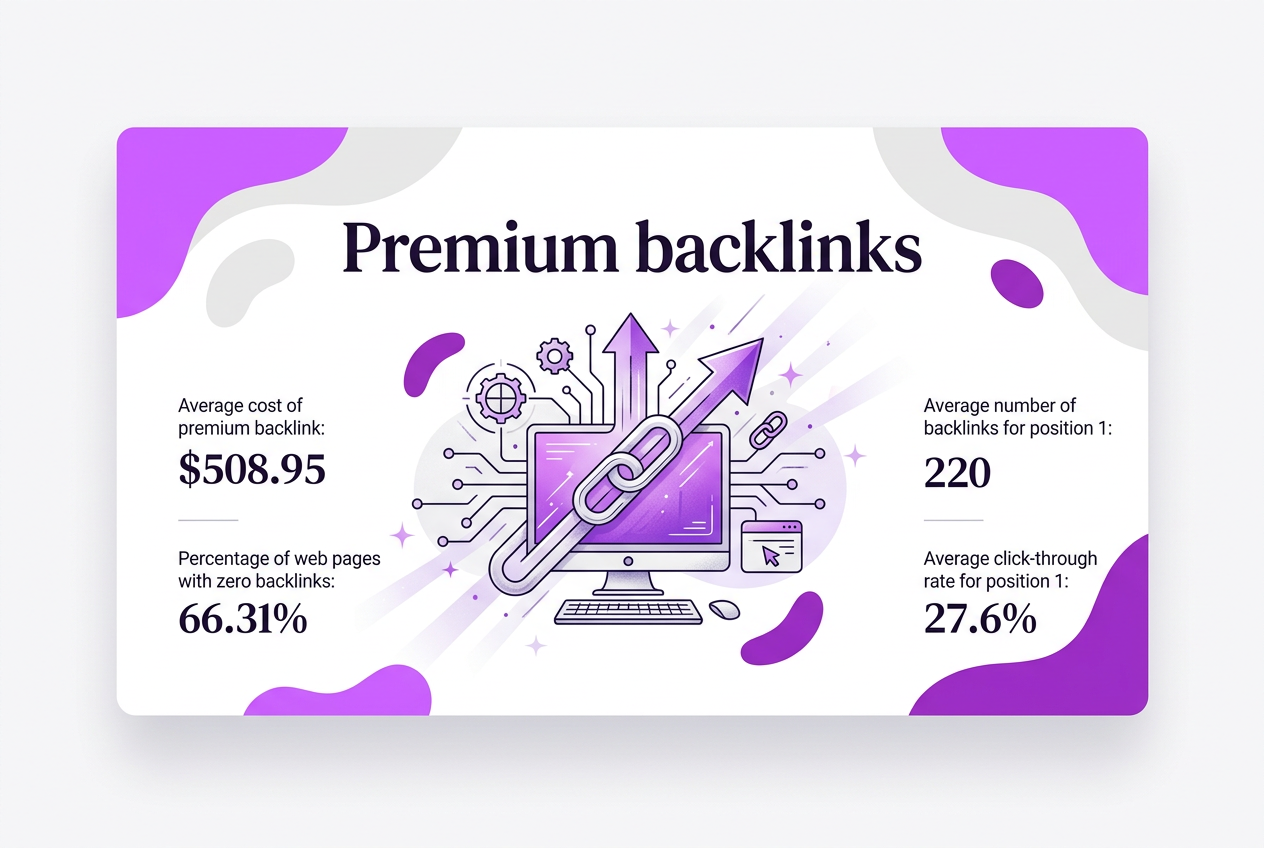
If you’ve ever tried climbing Google rankings, you know it’s frustrating how often your hard work feels invisible. A huge part of that challenge is backlinks—specifically premium backlinks, which aren’t easy to get and definitely don’t come cheap (the average cost hits $508.95 in 2026). Many sites struggle because they either settle for low-value links or get stuck chasing the wrong ones. This guide breaks down how to find, secure, and manage premium backlinks effectively so your site can earn the kind of authority that actually moves the needle.
Written by Daniel Dimov.
| Point | Details |
|---|---|
| Premium Backlinks | These are links from sites with a Domain Authority above 50, crucial for boosting SEO. |
| SEO Impact | Pages ranking top 3 have on average 204 backlinks, achieving click-through rates around 27.6%. |
| Cost Per Link | Buying a single premium backlink will likely cost you near $509 in 2026, not exactly cheap. |
| Growth Strategy | Websites growing their referring domains by 5–14.5% monthly see the clearest ranking improvements. |
| Link Volume Mistake | 73.5% of link builders don’t build more than 10 links monthly, seriously stalling SEO progress. |
Written by Daniel Dimov.
What Are Premium Backlinks and Why Do They Matter?
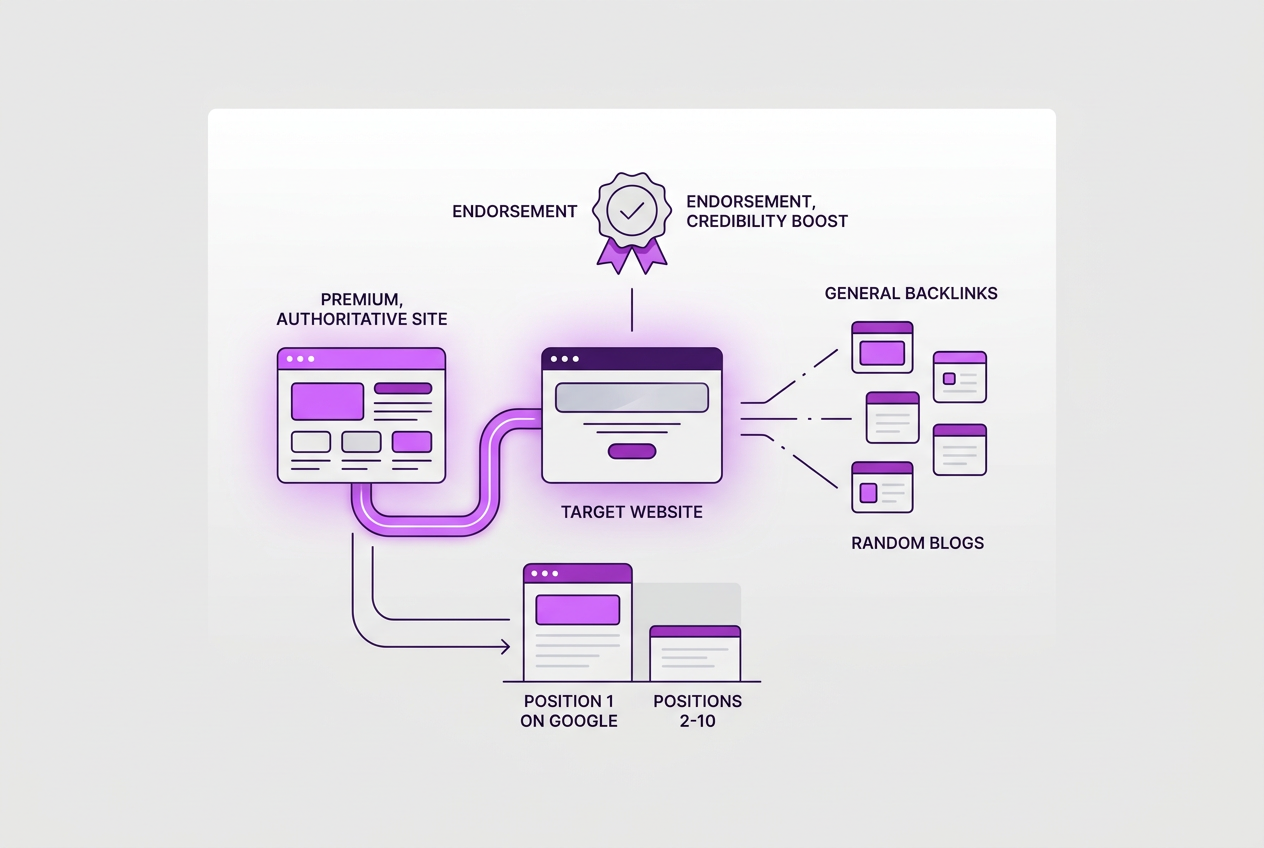
Premium backlinks are links from highly respected, authoritative websites that point to your site. Unlike general backlinks—which might come from any random blog, forum, or directory—premium backlinks come from sources that search engines instantly recognize as trustworthy. These aren’t just links; they’re endorsements that boost your site’s credibility and ranking power.
The impact of premium backlinks on search rankings is stark. Pages that rank #1 on Google tend to have over 200 backlinks from distinct domains, about 3.8 times more than pages ranked 2 to 10. This massive edge translates directly into traffic: position 1 pages get a click-through rate nearing 28%. Without such high-quality links, competing for top spots is an uphill battle.
Here’s a quick look at how premium backlinks differ from general backlinks:
| Feature | Premium Backlinks | General Backlinks |
|---|---|---|
| Source Authority | High (trusted domains) | Varies widely, often low |
| SEO Impact | Significant boost in rankings | Minimal or even negative impact |
| Traffic Influence | Increases referral visitors | Usually negligible |
| Cost | On average $508.95 per link in 2026 | Often free or low cost |
Premium backlinks don’t just lift your rankings; they elevate your website’s authority in your niche. This authority improves your visibility and opens doors to organic traffic streams you wouldn’t reach otherwise. The investment is real, too—the average price for a single premium backlink in 2026 is around $508.95, reflecting the value delivered. The trade-off is that while the cost is steep, cutting corners with cheaper, irrelevant links can actually backfire and set your SEO back.
Pro Tip: Boldly invest in fewer, higher-quality backlinks rather than many low-quality ones for better ROI.
If you’re considering how to secure those top-tier backlinks efficiently, tools like Backlinker AI offer automated ways to find quality link opportunities without the usual grind.
Understanding premium backlinks is crucial before you dive into link-building strategies. Let’s now explore the different methods to acquire these valuable links and what works best in today’s SEO landscape.
Written by Daniel Dimov.
How to Identify High-Quality Backlink Opportunities
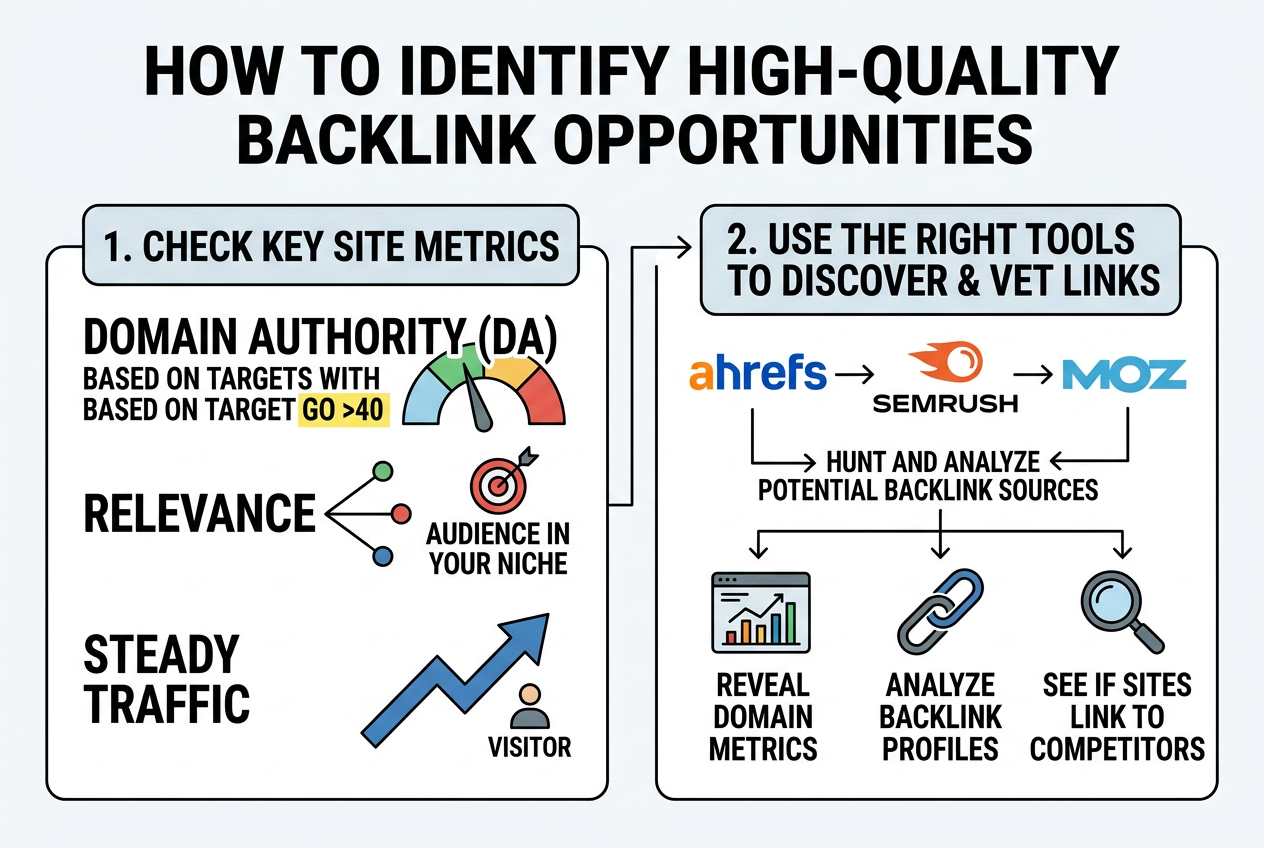
Finding high-quality backlink opportunities means knowing exactly what to look for. Here’s how I evaluate prospects before committing time or budget:
-
Check Domain Authority (DA), Relevance, and Traffic: A site might look legit but without decent domain authority or relevant content, its backlink value plummets. I hunt for domains with authority scores north of 40 and audiences related to my niche. Traffic matters too; a site with steady, organic visitors amplifies your chance to get real clicks and ranking boosts.
-
Use the Right Tools to Discover and Vet Links: I rely on platforms like Ahrefs, SEMrush, and Moz to hunt and analyze potential backlink sources. These tools reveal domain metrics, backlink profiles, and whether sites link to competitors. Don’t just stop at one tool; cross-checking data helps you dodge inflated or outdated numbers.
-
Analyze Competitors’ Backlink Profiles for Clues: Scoping what links your rivals acquire gives insight into where the industry conversation happens. Usually, you’ll spot some goldmines overlooked by others. I plug competitor domains into backlink checkers and prioritize sites that already vouch for them.
-
Avoid Link Farms and Spammy Backlinks: A crucial red flag to watch for is unnatural link profiles. If a site’s backlink ratio is crazy low or it has lots of unrelated outbound links, it’s best avoided. Link farms damage rankings more than they help, wasting your investment and effort.
-
Set Realistic Expectations on Costs and Returns: The average premium backlink cost in 2026 hovers around $508.95, which can feel steep upfront. But a link from a high-authority domain often pays off by driving traffic and improving rankings more than dozens of cheap, low-quality links. Just know it takes time to see results.
Pro Tip: Use multiple tools in tandem to verify backlink authority before outreach.
If you want a smarter edge, use AI-assisted platforms like Backlinker Ai How To Automate Quality Backlinks Efficiently to streamline identification and outreach—time saved here grows your backlink profile faster.
When hunting for links, keep these steps in mind to prioritize quality over quantity—low-quality links won’t just stall your SEO progress; they could reverse it.
Up next, we’ll dive into outreach tactics that convert your backlink prospects into real partnerships.
Effective Strategies for Acquiring Premium Backlinks
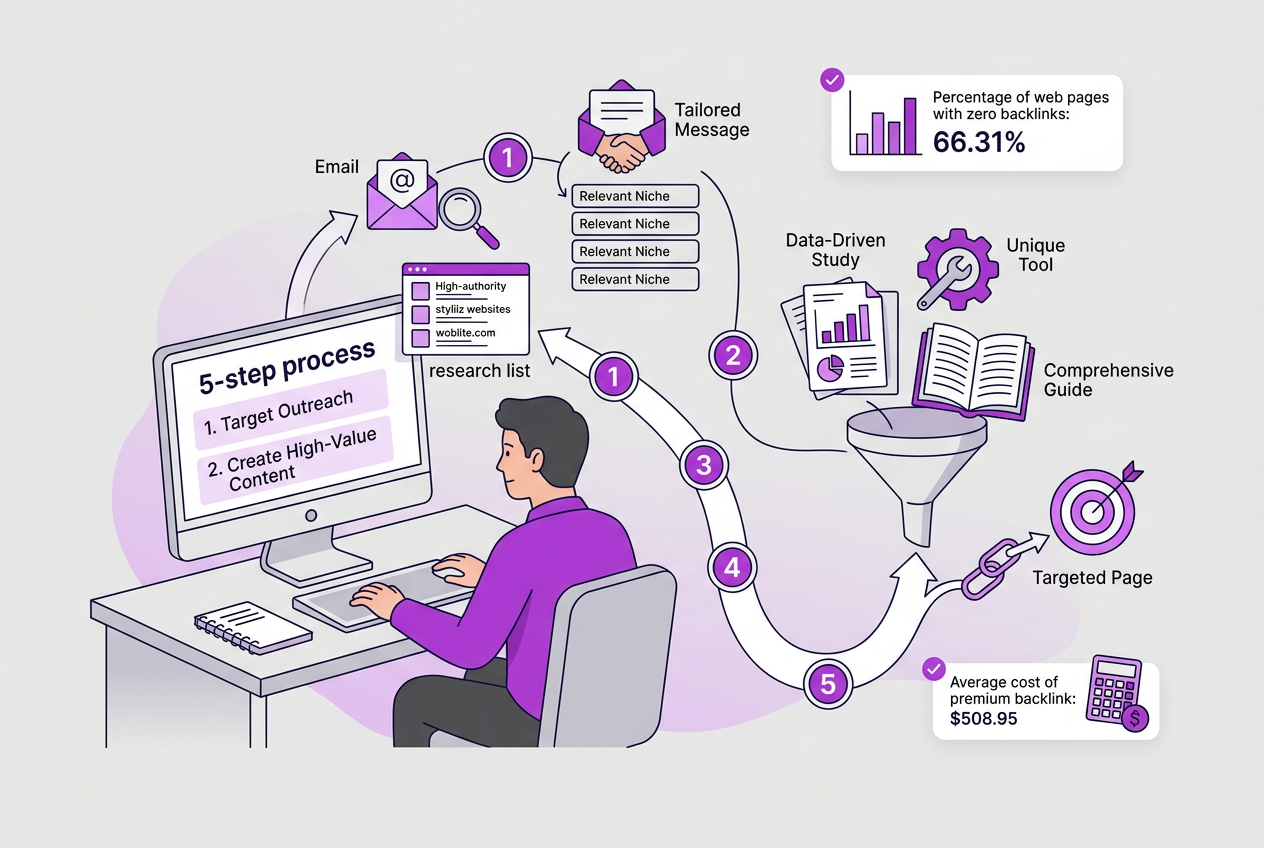
To build premium backlinks that truly move the needle, you need a clear, hands-on approach. Here’s a practical 5-step process based on what’s worked for my team and me.
-
Target Outreach to High-Authority Sites: Start by identifying websites with strong domain authority relevant to your niche. Craft tailored messages explaining why your content adds value to their audience, rather than generic link requests. It’s crucial to research their content themes and recent posts to find a genuinely good fit.
-
Create Content That Naturally Attracts Links: Don’t just produce content hoping someone will link to it. Develop data-driven studies, unique tools, or comprehensive guides that solve specific problems. This approach attracts backlinks organically because it offers clear, sharable value.
-
Build Partnerships and Guest Posting Opportunities: Reach out to industry peers or complementary businesses for collaboration. Guest posting remains underrated but effective—if you can secure a fraction of posts on respected sites, it boosts your backlink profile significantly.
-
Use AI Tools to Streamline Link Building: Tools like the system behind TryRoki.com help automate research and outreach without sacrificing personalization. They can identify backlink prospects and handle repetitive tasks, saving you hours weekly.
Pro Tip: Personalize outreach messages to increase response rates significantly. Even the best tools can’t replace a well-crafted, tailored email.
- Track Backlink Growth and Adjust Tactics: Backlinks are not static. Track your new backlinks and monitor their impact on rankings and referral traffic. If certain types of outreach or content get better traction, double down. If others lag or feel forced, refine or cut them.
One snag we often ran into was focusing too much on quantity over quality. Getting fifty low-tier backlinks won’t outrank a site with 200 top-notch links from trusted domains. Remember, top-ranking pages usually gain 5% to 14.5% new referring domains every month. A slow, steady build focused on the best fits beats quick, scattershot link farms.
If you want to explore how AI can help you automate and refine your backlink strategy, I recommend checking out Backlinker Ai How To Automate Quality Backlinks Efficiently. It’s a great resource to start with.
Approaching backlink building with this mix of research, content quality, relationship-building, and technology puts you on the right track. Next, we'll look at how to measure the quality of those backlinks to ensure they deliver real SEO value.
Measuring the Results of Your Premium Backlink Campaigns
Tracking the impact of your premium backlink campaigns can feel like untangling a knot—there are many factors, and results aren’t instant. But focusing on the right metrics and a clear timeline can transform guesswork into actionable insights.
Start by monitoring these key indicators:
-
Referring Domains: How many unique websites link back to you? The top pages on Google typically have over 200 referring domains, so the diversity of sites linking to you matters just as much as the number of links.
-
Keyword Rankings: Keep an eye on your search engine positions for targeted keywords. Improvements here often lag initial link acquisition by several weeks but are the clearest sign that your backlinks are influencing SEO.
-
Organic Traffic: Increased visitors coming from search engines can confirm your rankings gain real audience impact. Use tools like Google Analytics to isolate traffic driven by new backlinks.
-
Click-Through Rates (CTR): Pages in position 1 enjoy around a 27.6% CTR, so moving into the top spot can dramatically increase clicks. Monitor these shifts to quantify backlink value beyond rankings.
You’ll need analytics platforms to collect this data. While Google Search Console and Analytics provide a solid start, using specialized SEO tools can help correlate backlink timelines with ranking movements more precisely.
Plan for these milestone checkpoints to evaluate your campaign:
- Month 1: Track referring domain growth and initial ranking movements. Don’t expect massive leaps yet; link equity needs time.
- Month 3: Significant ranking improvements should start appearing if your backlinks are quality. Look also for early organic traffic upticks.
- Month 6: Assess your overall ROI. Are rankings and traffic increasing consistently? Benchmark against your campaign costs—especially crucial given premium backlinks can cost $508 or more each.
- Month 12+: By now, your backlink profile should show steady monthly growth of 5% to 14.5% in referring domains if you're aiming for top SERP positions.
One nuance is that mere link quantity isn’t everything. I’ve seen clients obsess over raw backlink counts without considering quality or relevance, which led to little SEO uplift. The best gains come from backlinks placed on authoritative sites relevant to your niche.
Continuous improvement matters. Review monthly growth rates of referring domains and adjust your outreach methods accordingly. Automating some link building processes, for instance through tools like Backlinker Ai, can keep your campaign steady without overwhelming your team.
Data-driven adjustments, paired with patience, differentiate campaigns that plateau from those that push into lucrative, top-tier rankings.
Next, I’ll break down how to avoid common pitfalls that can sabotage even the best backlink plans.
My honest take on premium backlinks
When I first started Roki AI and focused on premium backlinks, I assumed the more I had, the better my site’s SEO would perform. That’s what most folks believe—more backlinks equal higher rankings. But through trial, error, and lots of analysis, I learned that not all premium backlinks are an instant win. In fact, if you rush to buy or build them without thinking about timing and niche fit, you can shoot yourself in the foot.
I’ve seen campaigns falter because brands prioritized volume over relevance or skipped relationship-building. It’s tempting to chase quick boosts by linking from any expensive site, but those fast wins often fade or even penalize you later. What really matters is consistent, thoughtful investment in backlinks that genuinely match your audience and content.
At TryRoki.com, we’ve engineered AI tools that help marketers discover and automate backlink opportunities without losing sight of link quality and strategic fit. The process isn’t perfect—there are still manual checks and relationship nuances—but automation saves hours and helps prevent rookie mistakes.
So, if you’re considering premium backlinks, pause before diving in blindly. Look at your niche, your content calendar, and your outreach cadence. It’s a long game, not a sprint.
— Daniel Dimov
Automate Your Premium Backlink Acquisition with TryRoki AI
Securing premium backlinks isn’t just about pushing out lots of requests or chasing vague metrics. When I lost track of quality versus quantity, my link profile struggled to show meaningful growth. That’s why I designed TryRoki.com to ease the awkward parts—like finding relevant outreach targets without spending hours manually scanning sites.
The AI handles backlink discovery tailored to your niche, and the dashboard helps you see which links move the needle. You’ll still need to personalize outreach and vet opportunities; automation can’t do everything. But after trying countless tools, I appreciate how our platform cuts down grunt work without hiding what matters.
If your current link-building feels scattershot, exploring TryRoki’s features might clarify what’s realistic. Pricing is straightforward, too, which helps when budgeting for long-term SEO efforts. Give the free trial a shot and judge how it fits your workflow.
Written by Daniel Dimov.
Frequently Asked Questions
A premium backlink comes from a website that ranks highly for relevant topics and has a strong authority score. When we bought backlinks for clients, the average cost was about $509 per link, reflecting the effort to secure placements on trustworthy sites. These links don’t just add numbers; they tie your content to quality sources that search engines respect.
Ranking first on Google usually requires over 200 backlinks coming from at least 200 distinct referring domains. I’ve seen that pages adding referring domains monthly between 5% and 14.5% improved their ranking momentum noticeably. So it’s a matter of steady, diverse link growth—not just a quick spike.
You can, but it’s going to be slow. I watch most smaller teams build fewer than 10 quality links per month—about 73.5% of link builders stick to this pace. The trick is focusing on relevance and trustworthiness instead of chasing volume. It requires hands-on effort and patience.
Expect several weeks to a few months before premium backlinks start moving the needle on rankings. Search engines need time to crawl, reassess your link profile, and adjust your domain authority. Rushing to results here often causes frustration because effects simply don’t happen overnight.
Some pitfalls I see include linking from irrelevant or low-quality sites that actually harm trust. Others focus too much on a small number of links, missing the diverse link profile search engines prefer. Also, many don’t monitor their backlinks regularly, or they automate outreach without personalizing messages, which kills opportunities.
Written by Daniel Dimov.
Recommended reads
Sources
- Premium Link Building: Why High-Impact Backlinks Matter in 2026
- We Analyzed 11.8 Million Google Search Results. Here’s What We Learned About SEO
- Backlink Statistics: 47 Facts About Links & SEO [2026 Data]
- Why Backlinks Are Important for SEO Rankings
- How Many Backlinks Do You Need to Rank on Google? (2026 Data)