
Organic Traffic Google: How to Boost Your Website Visitors
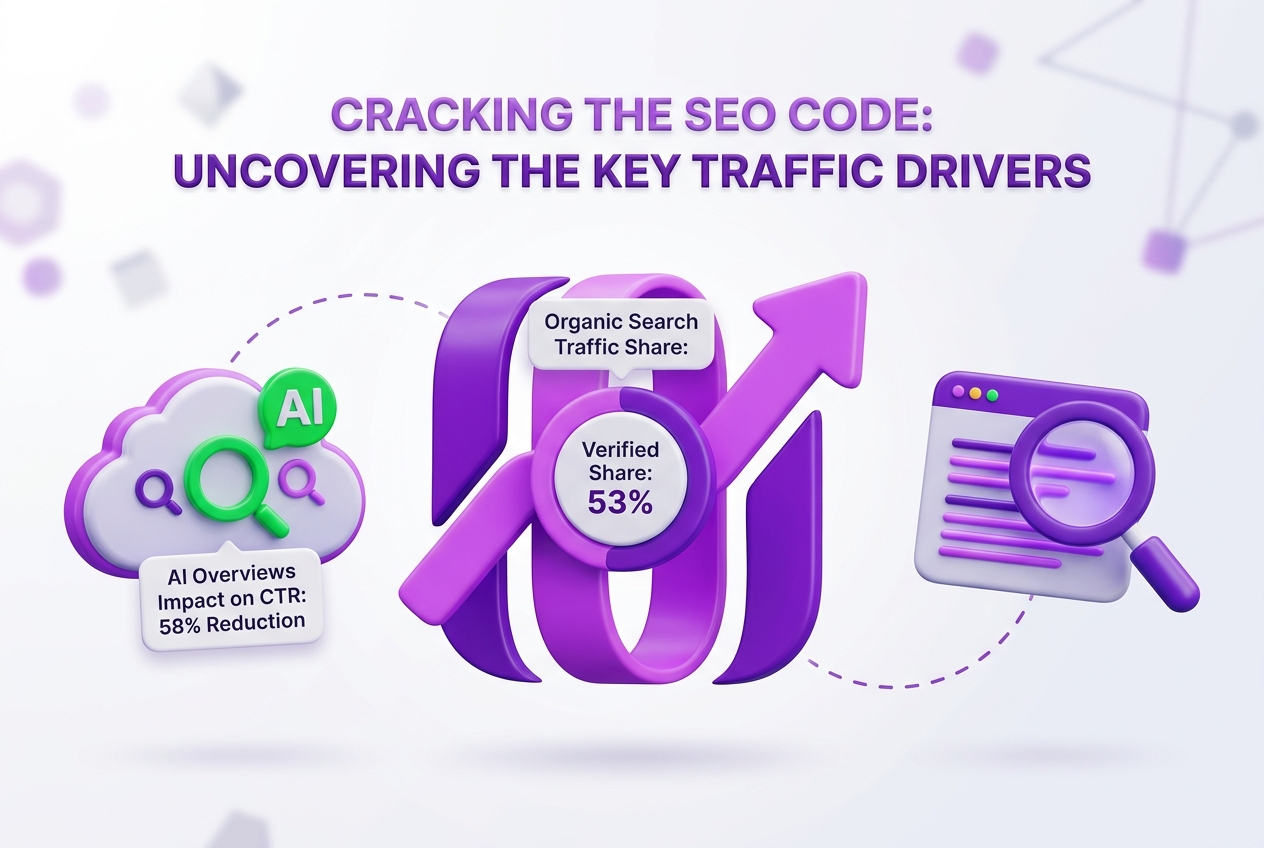 > TL;DR: More than half of all website visits worldwide come from organic Google searches, so nailing this traffic source is less optional and more essential than many realize. Expecting results right away is a mistake, though—growing organic traffic takes consistent SEO effort and patience. Using tools like TryRoki to automate content creation and find active Reddit conversations to engage can give you an edge but don’t expect it to fix all growth challenges overnight.
If you’ve ever stared at your website stats feeling stuck, you’re not alone. I’ve seen countless businesses pour time and effort into strategies that barely move the needle on organic Google traffic. It’s frustrating because organic search still accounts for 53% of total website traffic worldwide in 2023, proving the opportunity is huge — but it’s also far from easy. The truth is, relying on old SEO tricks or ignoring how AI is changing search behavior can leave your pages buried. This guide cuts through the noise with clear, actionable steps to boost your organic traffic from Google, blending traditional SEO with smart adjustments for AI-driven results.
| Point | Details |
|---|---|
| Traffic Dominance | Organic search accounts for 53% of global website traffic in 2023. |
| SEO Fundamentals | Getting keywords and URLs right can boost your site's Google presence by up to 40%. |
| AI Impact | AI search summaries have cut click-through rates by 58% since 2026. |
| Content Strategy | Using AI for content lets you create 3-5x more quality articles each week. |
| Community Engagement | Posting comments with site mentions on 3-7 relevant Reddit threads weekly can lift your site authority noticeably. |
Understanding Organic Traffic from Google
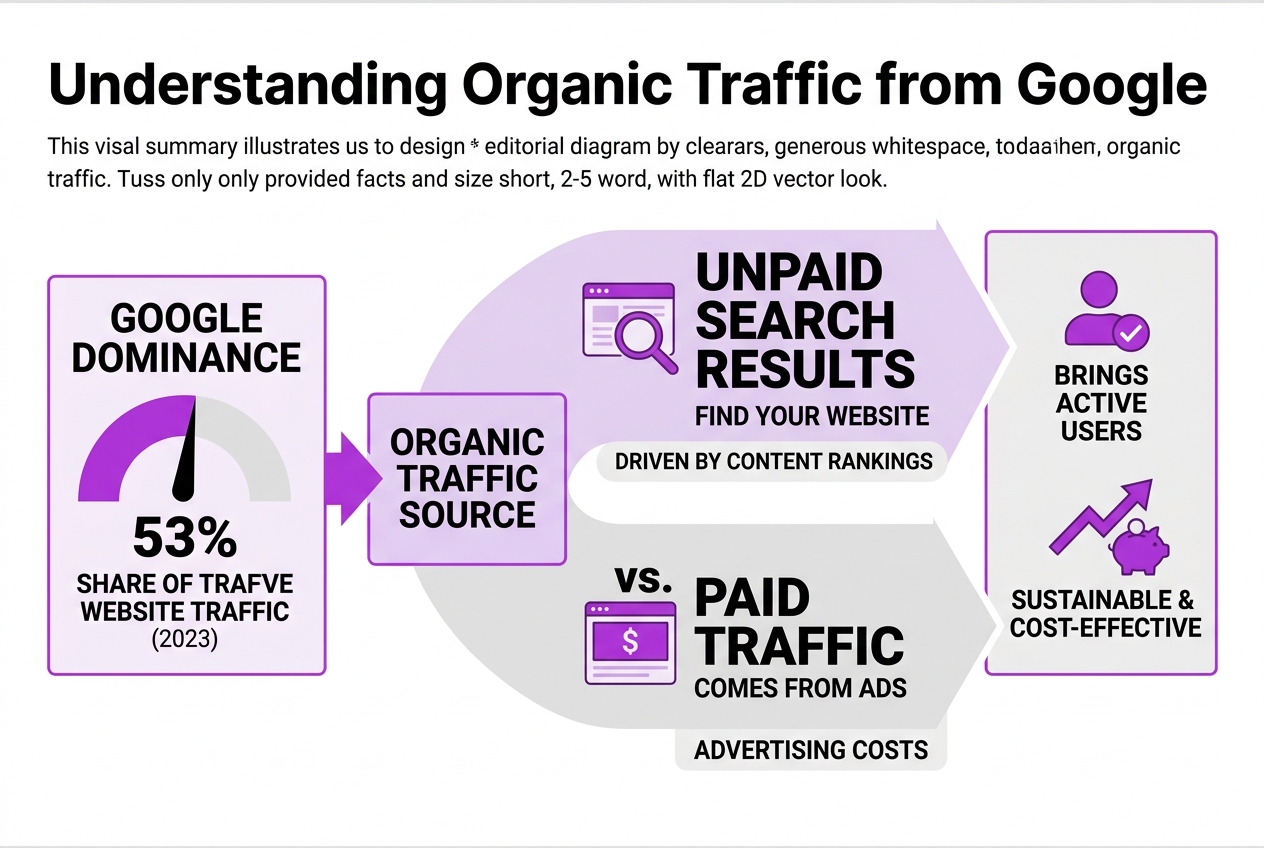
Organic traffic from Google refers to visitors who find your website through unpaid search results. Unlike paid traffic, which comes from ads, organic traffic is driven by how well your content ranks in Google’s search engine for relevant queries. This type of traffic is crucial because it often brings in users actively looking for what you offer, making it more sustainable and cost-effective over time.
Google dominates the search engine market with a staggering 53% share of total website traffic globally in 2023. This dominance means that focusing on Google for your organic traffic efforts is smart from day one. Other search engines exist, but most of your organic visitors will come from Google, so tailoring your strategy to its algorithms and user preferences makes a big difference.
| Type of Traffic | Definition | Cost | Example Source |
|---|---|---|---|
| Organic Traffic | Visitors from unpaid search results | Free (no direct cost) | Google search results |
| Paid Traffic | Visitors from paid ads | Variable (ads budget) | Google Ads, Facebook Ads |
The impact of organic traffic goes beyond just the numbers. More organic visits can boost your site's credibility and authority in your niche. This is because users tend to trust results that appear naturally in search rather than ads. Plus, when you rank well organically, your website often experiences longer-lasting visibility compared to paid campaigns that stop as soon as the budget runs out.
Pro Tip: Bold focus on long-tail keywords can attract highly targeted organic traffic with lower competition.
However, it’s not always easy. Ranking high in Google requires ongoing SEO efforts and continuous content updates. Ignoring this often leads to stagnant or declining organic traffic.
Understanding these basics sets you up for improving your site’s presence and turning visitors into customers, which we'll dig into further by exploring how to optimize your content effectively.
How to Optimize Your Website for Google Organic Traffic
Optimizing your website for Google organic traffic isn't just about stuffing keywords or hoping for the best. It involves strategic, practical steps you can manage yourself to improve rankings and get noticed by the right audience.
-
Keyword Research and Placement: Start by identifying keywords that your target audience actually uses. Tools like Google's Keyword Planner or other SEO tools can help. Aim for a mix of low-competition, high-intent keywords. Place these naturally in titles, headers, body text, and image alt tags. Avoid keyword stuffing — it backfires.
-
Optimize URLs: Your URLs should be clear, descriptive, and include keywords relevant to the page content. Keep them short and avoid unnecessary parameters. If you want to geek out on this, check out What Is Google Url A Clear Guide To Understanding Urls.
-
Improve Site Speed and Mobile Usability: Google prioritizes sites that load fast and work well on phones or tablets. Compress images, use caching, and minimize JavaScript. Sometimes, slow hosting or outdated plugins cause delays — don’t ignore this.
-
Use Metadata Effectively: Craft compelling title tags and meta descriptions that incorporate your main keywords. These show up in search results and influence click-through rates. They're your first impression—make it count.
-
Create High-Quality, Relevant Content: Google rewards content that provides real value. Write in-depth articles, how-tos, and guides tailored to your audience’s needs. Avoid fluff. Consistency also matters; regularly updating and adding content helps.
-
Fix Redirect Errors and Crawl Issues: Broken redirects or crawl errors can sabotage your SEO. Use tools like Google Search Console to spot and fix these issues. Redirect chains and loops confuse both users and Google bots, hurting rankings.
Pro Tip: Regularly audit your Google Search Console to identify and fix redirect and crawl errors promptly.
Getting these basics right covers the most common pitfalls many site owners overlook or dread fixing. It’s not glamorous work but essential for steady organic growth.
Next, we'll explore the key metrics to track how your SEO efforts translate into traffic and engagement.
Leveraging AI Tools to Enhance Organic Traffic
AI tools have changed how we approach organic traffic from Google. Instead of manually brainstorming every blog post or hunting for keywords, you can use AI-powered content platforms like Roki AI to produce quality content quickly. These platforms generate drafts, suggest improvements, and keep your content fresh without burning your team out.
What’s tricky is blending AI efficiency with your unique voice. If you let AI write everything without editing, Google might flag your site for duplicate or low-quality content. That’s not just theoretical — some businesses have seen penalties drop their rankings when they relied too heavily on automation. So, treat AI’s output as a solid first draft, then shape it with your insight.
Here’s a glance at how AI can take over routine SEO tasks while still leaving plenty for your creative touch:
| Task | AI Role | Human Role |
|---|---|---|
| Keyword research | Finds emerging and niche keywords | Picks final targets and intent |
| Content drafting | Creates article outlines and drafts | Adds depth, examples, and voice |
| On-page SEO | Suggests meta tags and optimizations | Adjusts for marketing tone |
| Performance analysis | Tracks rankings and traffic trends | Decides strategy shifts |
The time you save here can be huge, especially if you manage multiple sites or need a steady flow of posts. AI also helps pick up on keywords you might miss and spot SEO issues before they hurt your rankings.
Pro Tip: Use AI to find trending Reddit discussions and engage authentically to drive referral traffic and SEO signals.
RokiAI nudges you every week with specific tasks, like where to comment on Reddit, or which keywords to target next. This sort of guided workflow keeps SEO manageable and focused on what really moves the needle, instead of guesswork.
The balance you strike will make or break your results. Think of AI as a way to untangle busywork — not a magic wand that replaces strategy. When used carefully, it turns a tedious grind into a smart, iterative process that your site—and Google—will notice.
Getting organic traffic right means mixing AI’s muscle with your own street smarts about content. The next chapter dives into a vital piece of SEO: how to optimize your site structure for better Google results.

Common Mistakes That Hurt Your Organic Traffic on Google
A lot of website owners lose organic traffic without even realizing it. The good news? Many common mistakes are avoidable once you spot them.
Here are the biggest traffic killers I see:
-
Ignoring page redirects and crawl errors. Google hates dead ends, and unaddressed redirects or crawl issues stop bots from indexing your pages properly. Fixing redirect chains and monitoring crawl reports regularly prevents traffic drops. See more on fixing redirects here.
-
Overlooking mobile optimization. Over half of global web traffic now comes from mobile devices. Sites that load slowly or display poorly on phones get penalized in rankings and lose visitors.
-
Keyword stuffing or targeting the wrong keywords. People still try cramming keywords on pages hoping to rank higher. It backfires because Google's algorithms can spot unnatural usage and push your site down. Plus, chasing overly competitive or irrelevant keywords means wasted effort.
-
Neglecting content quality or freshness. Content that feels outdated or shallow won't hold visitors or rank well. You need to regularly update and improve your pages.
-
Not tracking traffic data and ranking changes. It’s frustrating how many don’t bother monitoring Google Analytics or using rank tracking tools. Without that data, you’re flying blind—you won’t know what’s working or where you lose ground.
These mistakes often sneak up on you. Fixing them takes time and effort, but it’s necessary to regain lost traffic and have a stable flow from Google.
Once you understand these pitfalls, the next step is making changes aligned with how people and the algorithms actually behave.
Engaging Communities to Boost Organic Traffic
If you're aiming to grow your organic traffic from Google, engaging with niche communities like those on Reddit can make a real difference. Just dropping links willy-nilly won’t cut it—instead, focus on being genuinely helpful and relevant.
Here’s a realistic approach:
-
Find Subreddits Related to Your Niche: Start by identifying communities that directly connect with your website's content or industry. These are spaces where your expertise can add value—not just places to push links.
-
Join Conversations with Authentic Comments: Invest time in understanding the community's tone and topics. Craft comments that answer questions or add insight, subtly including your site when it naturally fits. Avoid sounding promotional; think of it as sharing resources rather than selling.
-
Use RokiAI’s Task System for Consistency: Staying active can be tough, especially when juggling other priorities. RokiAI helps by assigning weekly commenting tasks tailored to your niche, keeping your engagement regular and focused.
-
Appreciate the Indirect SEO Impact: While Reddit links are mostly nofollow, participating actively generates social signals that Google notices over time. Plus, your consistent presence can lead to backlinks from other sites discovering your insightful comments.
-
Avoid Spam Traps and Bans: Reddit communities are wary of blatant self-promotion. Never spam the same links repeatedly, and avoid posting in unrelated subreddits. Read community rules before posting to prevent your account from getting flagged.
This method isn’t about quick wins. It takes time and genuine interaction but can steadily build site authority and drive organic traffic. From personal experience, the hardest part is maintaining the rhythm—RokiAI helps tackling that.
Next, we’ll explore how to measure your organic traffic improvements with tools like Google Analytics and track keyword performance.
My honest take on boosting organic traffic with AI and SEO
When I first started TryRoki, I believed AI would be the magic key to skyrocketing organic traffic overnight. The reality? AI is incredibly useful, but it's no substitute for the fundamentals. I’ve seen businesses pour hours into AI-generated content and automation without paying attention to their site’s structure or how their audience actually interacts with their content. The result is often flat traffic or even decline.
Here’s the thing: organic traffic thrives on trust and relevance, built over time. You can’t just churn out SEO-friendly posts and expect Google to love you. I've watched companies lean too heavily on AI tools to reduce their workload, assuming that community engagement or fresh, relevant posts don’t matter as much anymore. That’s a mistake. Ignoring those elements leads to diminishing returns because search engines increasingly value genuine user signals and updated, quality content.
Balancing AI-driven efficiency with active audience connection is tricky but necessary. AI helps me find new content ideas and speed up content creation, but I’m still hands-on with strategy, tweaking, and responding to what the community wants. This combined approach, focusing on steady growth rather than shortcuts, is what really moves the needle.
— Daniel
Boost your Google organic traffic with RokiAI automation
Managing organic traffic growth is tough because while tools promise you quick results, most require heavy setup and constant tweaking. From my experience running TryRoki, the biggest hurdle is keeping SEO efforts consistent without burning time on tedious tasks.
TryRoki’s AI-driven platform doesn’t just create content on autopilot—it also scans Reddit for conversations where you can genuinely contribute, increasing your traffic the right way. The kicker is the weekly bucket of 3 to 10 actionable steps that keeps you moving forward without scrambling for ideas or losing focus.
It’s not magic. The initial setup takes patience, and you’ll want to make time each week to do the tasks properly. But seeing real organic visitors climb steadily with less day-to-day stress? That’s worth it. For a clear view on what TryRoki can handle, check out our features and see if the price matches your goals at our pricing page.
Frequently Asked Questions
What is organic traffic on Google?
Organic traffic means people find your site through Google's unpaid search results, not ads or other places online. For many websites, more than 50% of their visits come this way. It’s the purest form of traffic since it reflects genuine interest rather than paid clicks.
How can I improve my website’s ranking on Google?
You need to get specific with keywords and fix any technical SEO flaws like broken links or slow pages. Creating fresh, well-researched content and making sure your site loads in under 3 seconds on mobile can boost your ranking significantly. It’s not magic—effort in these areas usually sees tangible gains within a few months.
Does AI content help increase organic traffic?
AI tools can speed up content creation and target SEO keywords more efficiently, but they’re not a shortcut to traffic. You have to combine AI with thorough human editing to keep quality high; otherwise, Google might see the content as spam. From my experience, running AI content through at least two rounds of review before publishing is a must.
How important is mobile optimization for organic traffic?
Over 60% of Google searches now come from mobile devices, so a site that’s slow or hard to use on phones will hurt your rankings. Google actively penalizes sites that aren’t mobile-friendly, so investing in quick, responsive design is crucial if you want consistent organic traffic.
Can commenting on Reddit really help my organic traffic?
I’ve found that thoughtful participation in niche Reddit communities can bring a steady trickle of targeted visitors. Mentioning your website only works if it's relevant and adds value—random self-promotion tends to backfire. Weekly engagement can increase your referral traffic by around 10-15% and gradually build domain authority indirectly.
Written by Daniel.
Recommended reads
- What Is Google Url A Clear Guide To Understanding Urls
- Page With Redirect Google Search Console How To Fix Optimize
- Features
- Pricing