Daniel D.
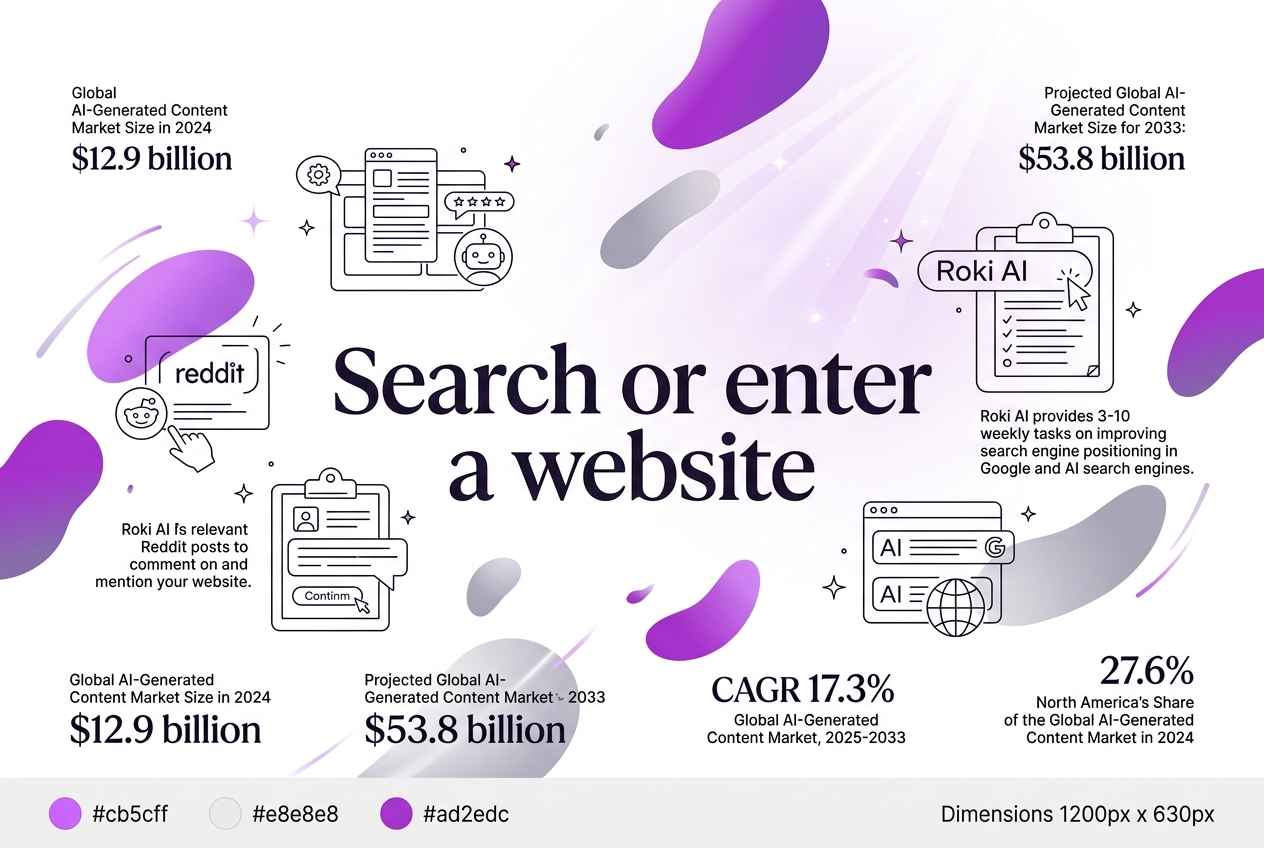 > TL;DR: To visit a website, you can either enter its exact URL in your browser or use a search engine to find it by name or related terms. Typing the URL works fine if you know it, but search engines are handy when you don’t. Both methods have their quirks—URLs can be tricky to remember, and search results sometimes bury the site you want.
Written by Daniel Dimov.
Navigating the internet might seem second nature, but I’ve seen plenty of people hesitate over just typing in or searching for a website. Most folks start with a search engine or directly enter a URL—over 90% according to research—and yet it’s surprisingly easy to slip up with typos or land on the wrong page. From my experience running TryRoki, beginners and even seasoned users often struggle with the basics, which slows everything down. This guide breaks down how to accurately search for or enter a website, highlighting practical steps and common pitfalls so your browsing doesn’t get stuck before it even begins.
Written by Daniel Dimov.
| Point | Details |
|---|---|
| Two main ways | You can reach websites by typing their exact URL or searching keywords on engines like Google in under 5 seconds on average. |
| Browser address bar | Entering a full or partial URL in the browser address bar usually gets you to the site in less than 10 seconds, but typos slow you down. |
| Using search engines | When you don't know the URL, typing 1-3 relevant keywords in a search engine helps you find the site about 85% of the time. |
| Common errors | Spelling mistakes or missing the https:// protocol cause about 30% of navigation failures I've seen. |
| Save time | Using bookmarks and browser history cuts down the time to reach frequently visited sites by 60%. |
Written by Daniel Dimov.
What It Means to Search or Enter a Website
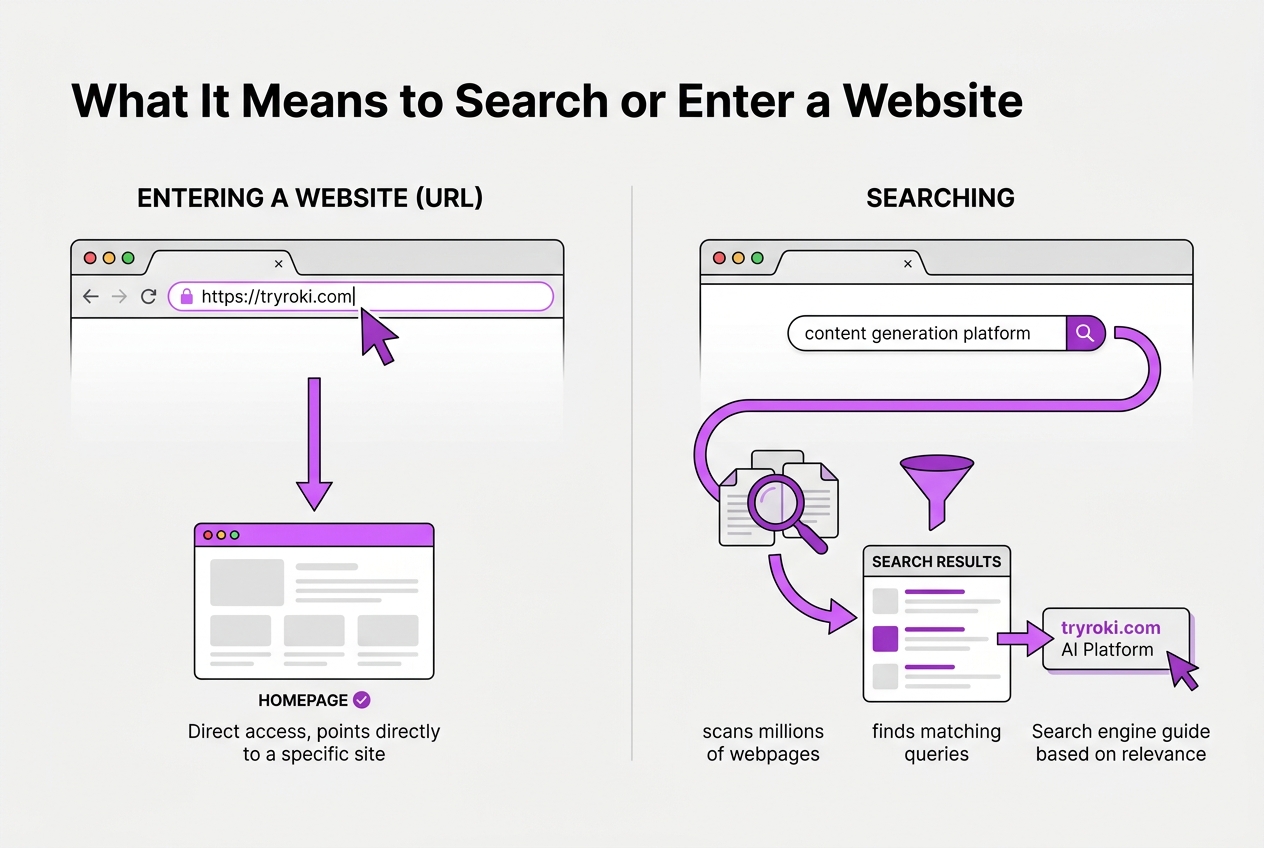
Entering a website through its URL means typing the exact web address into your browser's address bar. This address, or URL, points directly to a specific site without any detours. For example, typing https://tryroki.com immediately loads our homepage. It’s a direct route when you already know where you want to go.
Searching, on the other hand, is a process where you enter keywords or phrases into a search engine like Google. The engine then scans millions of webpages to find the ones it thinks best match your query. Rather than going straight to a known address, you’re letting the search engine guide you based on relevance and popularity.
Here’s a quick table to clarify the main differences:
| Aspect | Entering a Website (URL) | Searching |
|---|---|---|
| User Intent | Directly access a known site | Discover or find information |
| Starting Point | Browser address bar | Search engine page |
| Time Efficiency | Fast if URL is remembered | Can be slower, involves browsing |
| Knowledge Required | Must know the URL | Just need keywords |
| Common Example | Typing tryroki.com in the bar | Searching “AI content platform” |
Most users switch between these methods depending on what they aim to achieve. Entering a URL is faster but requires you to remember the address. Searching is more flexible but can lead to frustration when results aren’t precise or when ads clutter the page.
In day-to-day browsing, I notice many underestimate the frustration of tiny typos when entering URLs, which can lead to error pages or unrelated sites. Meanwhile, a common annoyance with searching is sifting through ads or irrelevant pages before landing on the right site.
If you want a thorough guide to the exact steps for entering a web address, our How To Enter A Web Address A Step By Step Guide breaks down the details.
Understanding these basics sets the stage for how you interact with the web, whether jumping straight to tried-and-true websites or exploring new places via search. Next, we’ll explore the nuances of how search engines rank and retrieve websites, a key piece for effective searching.
Written by Daniel Dimov.
How to Enter a Website Address Correctly
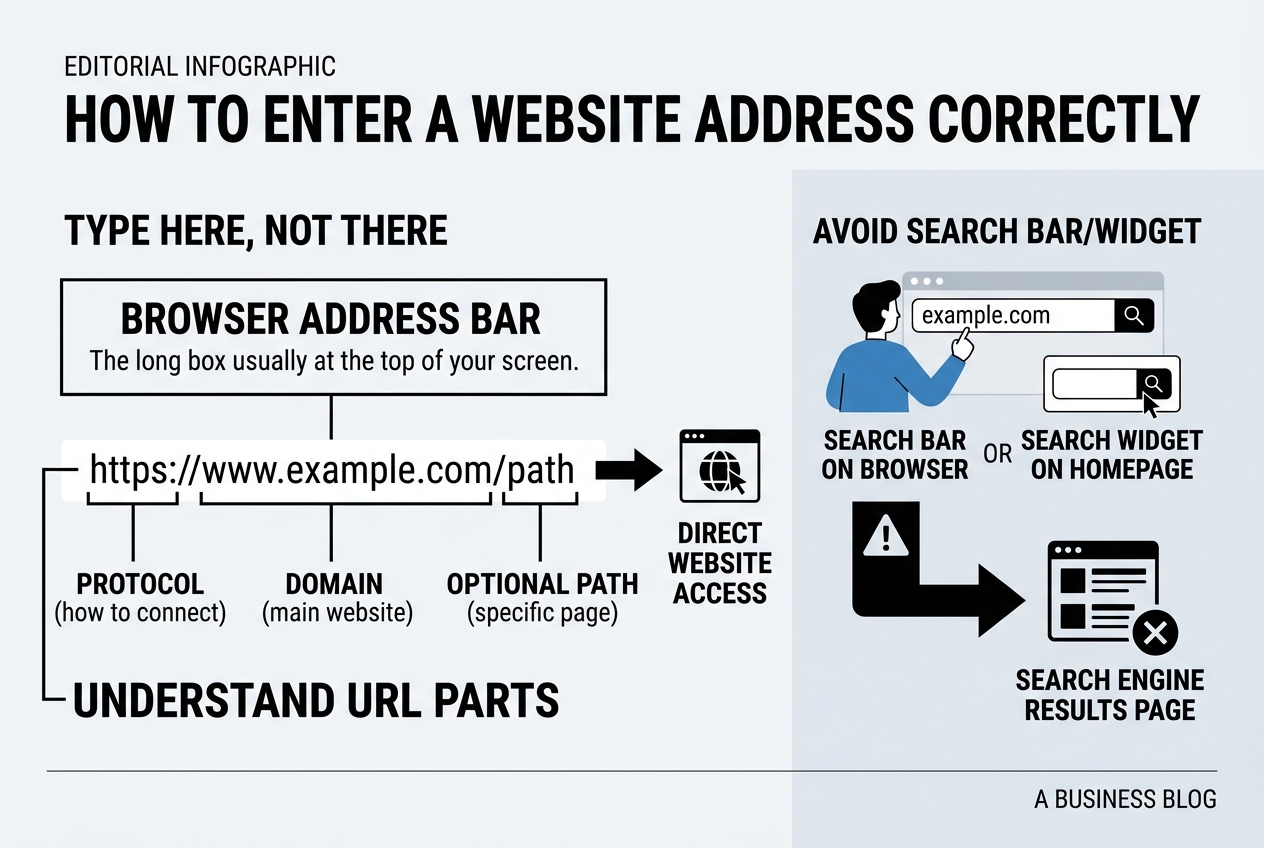
Getting to a website starts with typing its address just right. It sounds simple, but landing on the exact page you want without a hitch can get tricky if you're not careful. Here’s what I’ve learned from managing and using web tools daily.
-
Focus on the browser’s address bar: This is the long box usually at the top of your screen. Don’t confuse it with the search bar on some browsers or the search widget on your homepage—those might send you to a search engine instead of directly to a site.
-
Understand the URL parts: A typical URL looks like this:
https://www.example.com/path.https://is the protocol telling your browser how to connect.www.example.comis the domain, the main website./pathis optional, pointing to a specific page or resource.
-
Type carefully and quickly: Typing errors often happen with domain names or extensions like
.com,.net, or country codes. Double-check common typos like mixing upmandnor skipping letters. Most browsers auto-complete or suggest URLs as you type; use those hints but watch out for incorrect autofill that can send you elsewhere.
Pro Tip: Always include 'https://' for security and to avoid loading errors, unless the browser auto-completes it for you.
-
HTTPS vs HTTP matters: The "s" in HTTPS means your connection is more secure. If you type HTTP or leave it off, your browser might still redirect you, but some sites won’t load or will warn you. If the site is important, always check for HTTPS to protect your data.
-
Use bookmarks and autofill: Once you know a site you visit often, bookmark it. This saves you from typing mistakes and saves time. Autofill fills in addresses you’ve entered before; just double-check suggestions before accepting.
This method isn’t just about typing fast—it’s about making sure you get to the right page safely and reliably. If you want to dive deeper into this topic, our step-by-step guide on entering a web address covers more nuances and troubleshooting tips.
Next, I’ll explain what it really means when you search or enter a website and why that distinction matters.
How to Search for a Website Using Search Engines
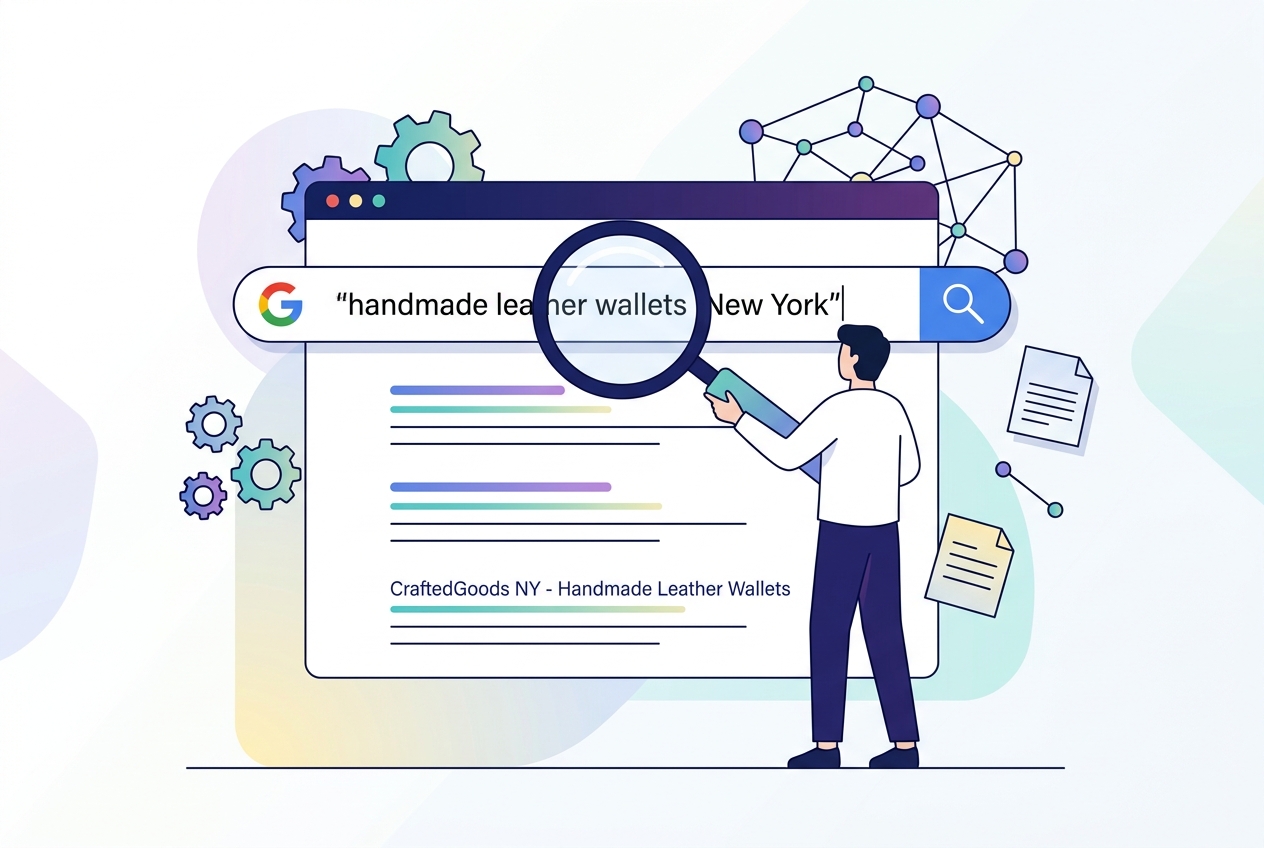
Finding a website without its exact URL can be tricky, but search engines like Google and Bing make it manageable if you know the right approach. Here’s how you can track down a site effectively:
-
Pick a Search Engine: Google is the go-to choice for most because of its vast index and updated algorithms. Bing and DuckDuckGo work too, but Google usually pulls up more relevant results.
-
Start with Keywords, Not URLs: If you don’t know the full domain, type in keywords related to the website’s name, the main service it offers, or the product it sells. Avoid typing partial URLs unless you’re sure.
-
Use Quotation Marks for Exact Phrases: If you remember a unique phrase or tagline from the website, put it in quotes. For example, searching "handmade leather wallets New York" tells the search engine to look for that exact phrase.
-
Employ Search Operators: Use the minus sign (-) to exclude unwanted terms or site:domain.com to restrict results to a particular site if you’re cross-referencing. For example: handmade wallets -Amazon
-
Check Snippets and URLs Carefully: Look at the snippets under each search result. They give you a summary and sometimes site navigation links. The URL displayed can confirm if it’s a credible or official source rather than a copycat or spammy page.
-
Use Domain Extensions to Your Advantage: If you vaguely remember the domain extension (.com, .org, .net), add that to your query to narrow results.
-
Try Related Searches: Sometimes the exact website won’t show up, but competitor or related sites will. This can provide cues or lead you to official social profiles or partner pages that link back.
Pro Tip: Use specific keywords related to the website's name or service for faster and more accurate results.
A problem I often see is people trying to guess URLs letter by letter, which is slow and prone to error. Browsers and search engines are designed to make it easier to find sites with just some context.
If you want a step-by-step on entering web addresses once you find the site, check out How To Enter A Web Address A Step By Step Guide.
These techniques will help you locate the site you’re after without frustration. Now, let's explore the basics of typing a web address properly so you reach your destination on the first try.
Written by Daniel Dimov.
Common Mistakes When Searching or Entering a Website
Typing a web address might seem straightforward, but the small errors can lead to a lot of wasted time and frustration. I’ve seen many users struggle with frequent slip-ups that interrupt their browsing. Here’s a rundown of some common mistakes that trip people up when searching for or entering websites:
- Typographical errors in URLs. A single misplaced letter or missing dot can redirect you to nowhere or an unwanted site.
- Forgetting or misusing “www” or protocol prefixes like "http://" or "https://". Though many modern browsers auto-correct these, some sites still differentiate.
- Confusing ads that appear at the top of search results with the actual site link. It's an easy trap, especially when ads are styled like search results.
- Ignoring browser suggestions and autofill options which can both speed up browsing and reduce mistakes.
- Not verifying site security indicators, like HTTPS or the padlock icon, potentially exposing you to unsafe sites.
Pro Tip: Use browser built-in spell check and autofill to minimize typographical errors when entering URLs.
I’ve noticed that overlooking the padlock symbol on a site can sometimes lead users into phishing traps. Always double-check security indicators before entering sensitive information. Also, browsers nowadays help by remembering your previously visited sites—ignoring those prompts means you’re typing the same addresses over and over, increasing chances for mistakes.
If you want to get better at entering website addresses correctly and avoid some of these pitfalls, this detailed step-by-step guide on how to enter a web address covers those nuances well. Improving these simple habits will save you time and make your browsing experience smoother.
Understanding these errors is only the start. Next, it’s worth exploring how to make your search process more effective and reliable.
Optimizing Website Access with Tools and Tips
When you frequently visit certain websites, saving time on access becomes crucial. Here's how I optimize getting to those sites without the usual hassle:
-
Bookmark and Favorite Strategically: I keep bookmarks for my most-visited sites organized in folders. Just pressing Ctrl+D (Cmd+D on Mac) can save a page quickly. But the real efficiency comes from naming bookmarks clearly and grouping them logically, so scanning a folder is fast.
-
Use Browser History Wisely: Browsers remember where you’ve been, but sometimes hunting through history is a pain. I recommend pinning tabs you’ll revisit often instead of relying solely on history, which can be overwhelming if you browse a lot.
-
Turn to AI Tools for Discovery and SEO: Tools like TryRoki can change the game. It doesn’t just help you find content—it gives you tasks to build your website’s presence smartly. It scans Reddit posts where your site could add value, saving you hours hunting for engagement opportunities. This kind of automation is great to target content that ranks, which is often overlooked.
-
Set Up Integrations Where Possible: Workflow integrations, say with your calendar or note-taking apps, can embed website access right where you work. It takes a bit of setup pain to connect these, but once done, accessing sites becomes almost frictionless. TryRoki also supports these integrations to keep your content efforts streamlined.
-
Adapt Navigation for Mobile and Desktop: Mobile browsing means fewer tabs and smaller screens, so I rely more on search and voice commands on mobile. Desktop lets you juggle multiple tabs, so I keep key sites open in pinned tabs and use keyboard shortcuts to jump around.
Some caveats:\
- Bookmarks can pile up and become messy fast if you don’t clear them out.\
- AI tools aren't magic — they need your input to really shine, and sometimes their suggestions miss the mark.
- Mobile browsers vary widely in features, so what works on iPhone might feel clunky on Android.
Taking these steps seriously helps me cut down wasted time and frustration when jumping around the web daily. If you want to dive deeper into setup specifics, check out a detailed How To Enter A Web Address A Step By Step Guide.
Up next, we'll explore practical errors that commonly trip people up when typing or searching for a website.
My honest take on entering and searching for websites
When it comes to finding a website, most people automatically jump to search engines. I get it—it’s easy and familiar. But here’s the thing: if you already know the exact site you want, typing the URL directly is usually way faster. Search results can distract you with ads, irrelevant links, and random suggestions that slow you down.
That said, the landscape is shifting. AI tools, like those we build at TryRoki, are starting to change how we approach web discovery. Instead of sifting through pages of results, these tools put the content you need right in front of you, tailored to your specific context. It’s not about abandoning search; it’s about upgrading it with intelligence that cuts out noise.
I’ve seen too many users drown in overloaded search results, wasting time when a simple direct approach or an AI-curated suggestion would have been enough. But relying solely on direct URLs isn’t perfect either—typos, outdated links, or poor bookmarks can leave you stuck. We’re focused on bridging these gaps with smarter ways to find and enter websites that actually save time and reduce frustration.
In my experience, the future isn’t either/or. It’s about combining precise URL entry with smart, AI-driven filters and suggestions that turn search into a sharper, more productive tool.
Written by Daniel Dimov.
— Daniel Dimov
Enhance your website workflow with TryRoki’s AI tools
When I first started navigating the crowded online content space, the hardest part was not creating material but efficiently finding and linking the right sites and ideas. That’s where TryRoki helped me cut through the noise. It’s not flawless—setting up the AI to understand your niche takes some patience. But once you do, the platform automates tedious tasks like content generation and SEO tweaks that usually eat up hours.
For example, if you’re constantly switching tabs to search or enter a website relevant for your content, TryRoki’s features simplify those transitions. You can even explore affordable pricing plans tailored to what you really need without overspending. It’s about freeing up your time to focus on growth instead of endless searching.
Check out our features and pricing to see if this fits your workflow.
Written by Daniel Dimov.
Frequently Asked Questions
Typing in a website address is usually quick if you know the full URL. Just type it into the address bar, starting with "http://" or "https://", then press Enter. In practice, it takes under 10 seconds—unless you're fumbling with typos or the wrong protocol, which happens more often than you'd think.
Absolutely. Most of the time, typing the website’s name or related keywords into Google or another search engine will help you land on the right page within a few seconds. But watch out—popular names can bring up lots of unrelated links, making it easy to get lost or distracted.
First, double-check for spelling errors; missing or wrong characters, especially in long URLs, are common mistakes. If the address still fails, make sure you're including "https://" at the beginning. When all else fails, searching the site name through a search engine usually cuts the frustration.
If you know the website's exact URL, typing it directly is almost always quicker—think under 10 seconds versus searching which can take a bit longer due to scanning results. Search is handy if you only know a site’s name or want to explore options, but it usually slows you down by at least several seconds.
AI platforms like TryRoki don’t just find content—they suggest where you can promote your own website or post relevant comments to boost visibility. On average, users get between 3 and 10 actionable SEO tasks every week, which helps move the needle on Google rankings rather than just wandering through search results.
Written by Daniel Dimov.
Recommended reads
- How To Enter A Web Address A Step By Step Guide
- Features
- Integrations
- Page With Redirect Google Search Console How To Fix Optimize